How to Choose a Safe and Legit Bitcoin Casino in Canada in 2026: A Complete Player's Guide to Licensing, Security, and Fair Play
How to Choose a Safe and Legit Bitcoin Casino in Canada in 2026: A Complete Player's Guide to Licensing, Security, and Fair Play

Cryptocurrency gambling has exploded in popularity across Canada over the past couple of years, and 2026 is shaping up to be the biggest year yet for crypto casinos. The appeal is obvious: deposits clear in minutes instead of days, withdrawal fees are a fraction of what traditional payment processors charge, and players enjoy a level of anonymity that credit cards simply can't match. I've spent a lot of time researching this space, and I can tell you the convenience is real—but so are the risks.
The same decentralized nature that makes Bitcoin casinos attractive also makes them a magnet for shady operators. Without a bank or credit card company standing between you and the platform, there's no chargeback safety net if something goes wrong. That's why doing your homework before you deposit a single satoshi matters more than ever. This guide walks you through exactly what to check so you can gamble with confidence rather than crossed fingers.
What Makes a Bitcoin Casino 'Safe and Legit' in Canada?
A legitimate Bitcoin casino isn't just one with a slick website and a long games list. It needs to check several boxes simultaneously: a valid and verifiable gaming license, third-party audited fairness certifications, clearly written terms and conditions, and solid security infrastructure protecting both your funds and your personal data.
Crypto platforms demand extra scrutiny compared to traditional fiat casinos for a simple reason—blockchain transactions are irreversible. Once you send Bitcoin to a casino wallet, there's no bank to call for a refund if the operator turns out to be fraudulent. That irreversibility is a feature for honest players wanting fast payouts, but it's also exactly what scammers exploit.
Legal Status of Crypto Gambling in Canada
Gambling regulation in Canada is a bit of a patchwork. Federally, the Criminal Code gives provinces authority over gambling activities, and most provinces run their own regulated platforms. Ontario, for instance, oversees its iGaming market through iGaming Ontario, which licenses operators to serve players within the province.
However, most Bitcoin casinos accepting Canadian players operate offshore, licensed in jurisdictions outside Canada entirely. This isn't automatically a red flag—it's simply how the crypto gambling industry has developed globally. The key is making sure that offshore license is genuine, current, and issued by a jurisdiction with actual enforcement teeth, not just a rubber stamp.
Licensing and Regulatory Bodies to Verify
When you land on a Bitcoin casino's homepage, scroll to the footer and look for the licensing information. The jurisdictions you'll most commonly encounter include:
- Malta Gaming Authority (MGA) – widely regarded as one of the stricter regulators, with regular audits and consumer protection requirements.
- Curacao eGaming – historically more lenient but recently restructured to tighten oversight after years of criticism.
- Kahnawake Gaming Commission – based in Quebec, this Indigenous-governed body licenses a number of online gambling operators serving Canadian and international players.
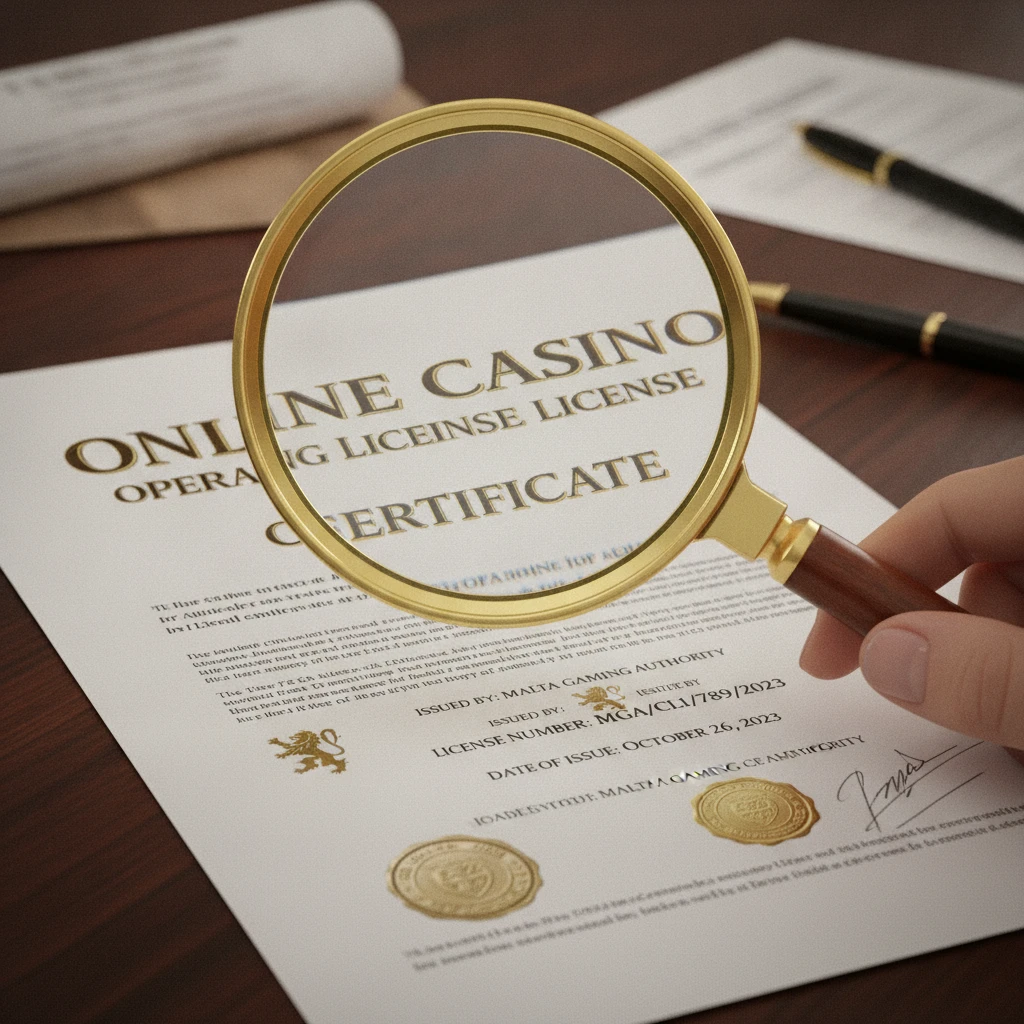
Don't just take the logo at face value. Click through to the regulator's official website and search their public license registry using the operator's exact legal name and license number. If the casino's displayed license number doesn't match anything in the registry, that's an immediate dealbreaker.
Red Flags of Fake or Expired Licenses
Watch for these warning signs when verifying licensing credentials:
- License verification links that are broken, redirect elsewhere, or lead to a 404 page
- The operator name on the casino site doesn't match the licensee name in the regulator's database
- Licenses from jurisdictions known for minimal oversight or that have been blacklisted by consumer watchdogs
- No visible license information at all, buried deep in obscure legal pages, or only mentioned vaguely as 'fully licensed and regulated'
Verifying Platform Legitimacy and Avoiding Scams
Beyond licensing, there are several practical steps I always recommend before trusting a crypto casino with real money. Start by checking the domain's age—legitimate operators typically have been running for a few years, while scam sites often pop up and disappear within months. Tools like WHOIS lookups make this quick and free.
Read independent reviews from multiple sources, not just testimonials posted on the casino's own site. Confirm the site uses proper SSL encryption (look for the padlock icon in your browser) to protect your data during transactions. It's also worth cross-referencing the operator's name against fraud-prevention databases and consumer protection resources.
Canadian players who want an extra layer of confidence should consult public-interest and anti-fraud organizations before committing funds. Groups focused on bitcoin casino consumer protection standards can help you understand what responsible operators are supposed to disclose, and these resources often provide channels for reporting suspicious platforms if you encounter one. Taking ten minutes to research before depositing can save you a lot of headache later.
Security Features Every Crypto Casino Should Have
Technical security separates professional operations from fly-by-night sites. Here's what should be standard on any Bitcoin casino worth your time:
- Cold wallet storage for the majority of player funds, keeping them offline and insulated from hacking attempts
- Two-factor authentication (2FA) on account logins and withdrawals
- Provably fair gaming algorithms that let you verify game outcomes independently
- SSL/TLS encryption across the entire site, not just the login page
Understanding Provably Fair Technology
One of the genuine advantages crypto casinos have over traditional online gambling is provably fair technology. Instead of trusting an opaque random number generator controlled entirely by the casino, provably fair systems use cryptographic hashing combined with a server seed and a client seed you can set yourself. After each round, you can run the numbers through a verification tool and confirm the outcome wasn't manipulated.
This transparency is a major reason I'm genuinely optimistic about where blockchain-based gambling is headed. It shifts trust away from 'just believe us' toward 'verify it yourself,' which is exactly the kind of accountability this industry needs.
Responsible Gambling and Fair Play Standards
Legitimate Bitcoin casinos take responsible gambling seriously, offering self-exclusion tools, customizable deposit and loss limits, and session timers that help players stay in control. Look for operators who publish their RTP (return-to-player) percentages openly for each game rather than hiding this information.
Bonus terms deserve particular attention. Reputable casinos clearly state wagering requirements, maximum bet limits during bonus play, and withdrawal conditions upfront—not buried in fine print designed to trip you up. If a welcome bonus sounds too generous with no reasonable explanation, that's often a sign the fine print will be nasty.
Red Flags vs. Trust Signals Comparison
Here's a quick reference to help you evaluate any Bitcoin casino at a glance:
- Trust Signal: Clear, verifiable licensing displayed prominently — Red Flag: No license info or unverifiable license numbers
- Trust Signal: Audited fairness certificates from third parties — Red Flag: Vague claims of 'fairness' with no proof
- Trust Signal: Responsive, knowledgeable customer support — Red Flag: Support that's unreachable or gives canned, evasive answers
- Trust Signal: Transparent KYC and withdrawal policies — Red Flag: No KYC process at all, or sudden KYC demands only at withdrawal time
- Trust Signal: Realistic, clearly explained bonus terms — Red Flag: Unrealistic bonus percentages with hidden wagering traps
- Trust Signal: Fast, consistent withdrawal processing — Red Flag: Repeated withdrawal delays or excuses
Conclusion
Choosing a safe Bitcoin casino in Canada in 2026 really comes down to patience and due diligence. Verify the license directly through the regulator's own registry, check for provably fair technology and solid security infrastructure, read beyond the marketing copy, and consult trusted consumer-protection resources when something feels off. Flashy welcome bonuses and slick design will always be there to catch your eye, but they mean nothing if the platform isn't transparent and properly regulated. Prioritize legitimacy first, and the entertainment value will follow.