The Rise of Dry-Aged Fish in Canada: Why Montreal's Seafood Scene is Leading a Culinary Revolution in 2026
The Rise of Dry-Aged Fish in Canada: Why Montreal's Seafood Scene is Leading a Culinary Revolution in 2026
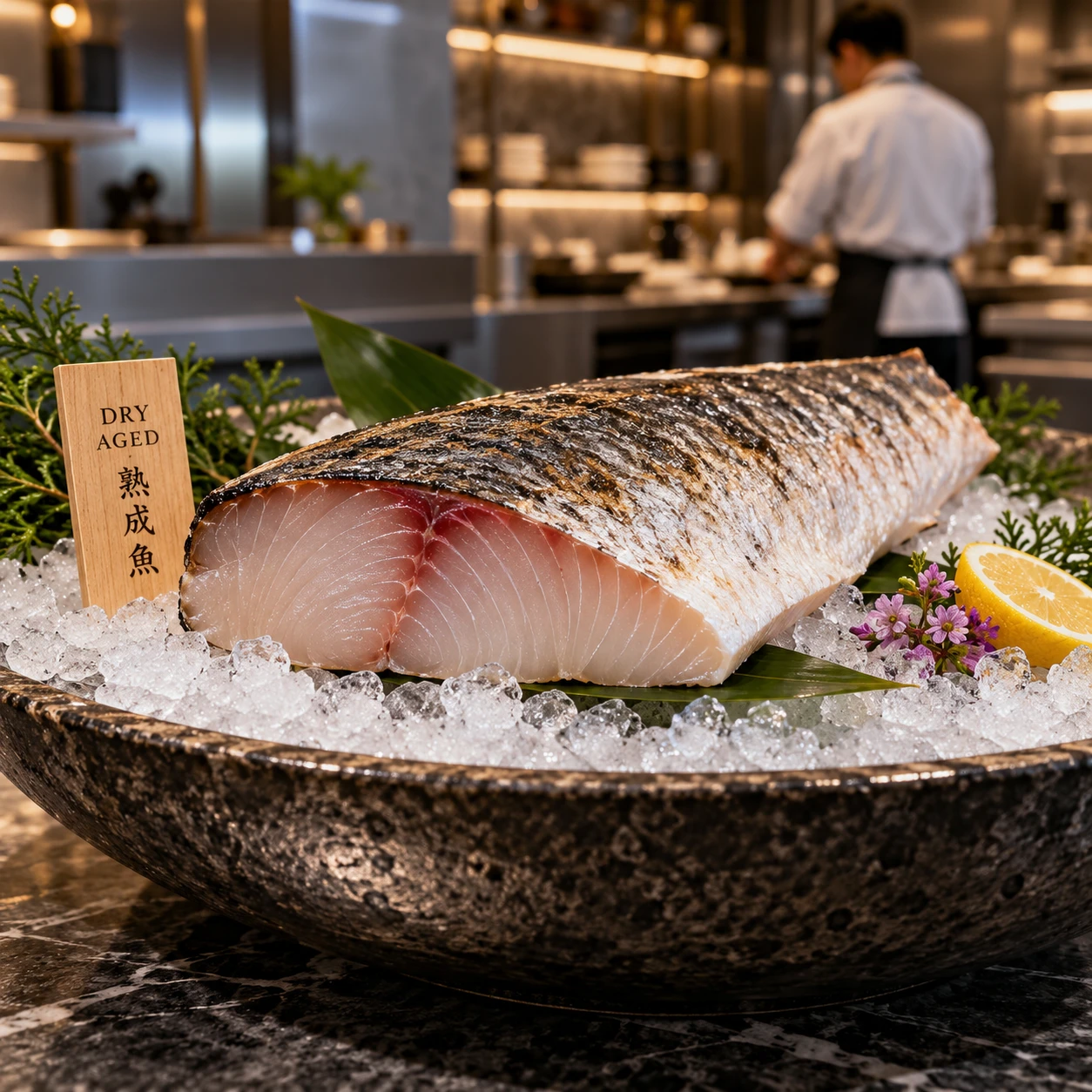
I've covered Canada's food scene for years now, and honestly? Nothing's grabbed me quite like what's happening with dry-aged fish right now. It started small—just a few Montreal spots messing around with the technique back in early 2026—but it's turned into something way bigger. We're talking a full-on movement that's changing how Canadians think about seafood.
The whole thing sounds almost too simple when you break it down. You know how chefs have been dry-aging beef forever to make it more intense and tender? Same idea, except they're doing it with fish now. And the results? Pretty wild. I had fresh tuna and two-week-aged tuna side by side once, and the difference wasn't subtle—it was like comparing two completely different species.
What is Dry-Aged Fish and Why is it Taking Canada by Storm?
When I first heard someone was aging fish on purpose, I thought they'd lost it. Everything I knew about seafood screamed 'freshness is everything.' Fish goes bad fast, right? But then I dug into the actual science, and it started making sense in this weird, backwards kind of way.
Here's what happens: you take whole fish or big cuts and stick them in these super-controlled rooms. Humidity sits between 70-80%, temperature stays locked at 0-4°C. Then you wait. Three days minimum, sometimes three weeks depending on what you're working with. During that time, natural enzymes start breaking down proteins and muscle tissue. Moisture evaporates slowly from the flesh, which concentrates everything—the natural flavors get more intense, and you develop these complex umami compounds that just don't show up in fresh fish.
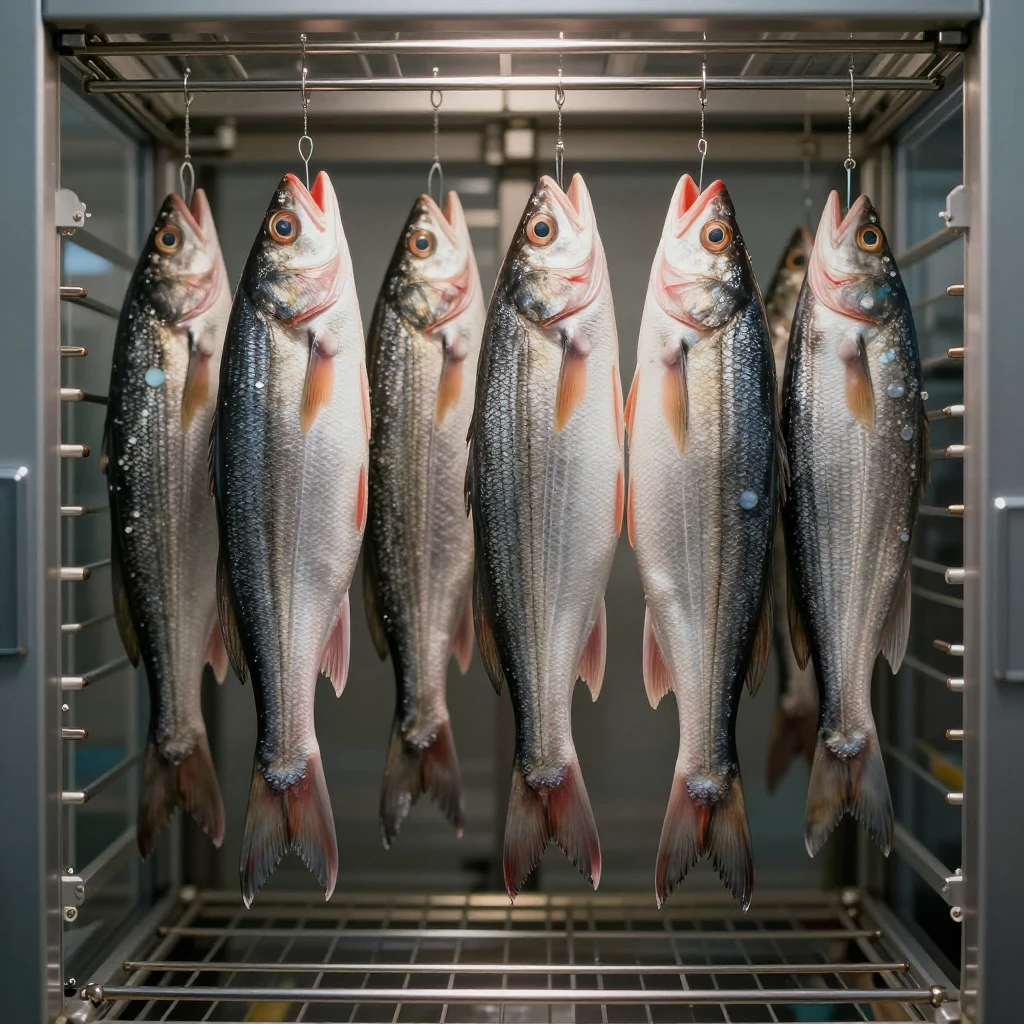
But it's not just about flavor. The texture shift is massive. Fresh fish kind of melts in your mouth, flakes apart easily. Aged fish pushes back. It's firmer, denser, almost meaty. There's this substantial quality to it that bridges the gap between seafood and a good steak—it creates this whole new category that didn't really exist before.
I've watched this technique go from experimental tasting menu stuff to standard offerings at high-end places across Canada in 2026. Some restaurants now dedicate entire menu sections just to dry-aged preparations—different species, different aging times, different cooking methods. The demand's been kind of insane.
Montreal's Emergence as Canada's Dry-Aged Seafood Capital
If you'd asked me back in 2021 which city would lead a seafood revolution, I'd have bet on Vancouver or Halifax. Ocean access, fishing heritage, all that. Montreal? Didn't see it coming. But here we are—the city's become the undisputed dry-aged fish capital of the country, and yeah, that includes me in the surprised camp.
Looking back, it makes sense though. Montreal's always had this sophisticated food culture that blends classic French technique with a willingness to experiment. The chef community here is tight-knit and competitive in a productive way—when one person figures something out, everyone else jumps on it and pushes it further. A handful of restaurants started playing with dry-aged fish in early 2026, and within months it had spread through the whole gastronomic scene.
Geography helps too. Montreal sits in this perfect spot where Atlantic fisheries are accessible, but you've still got the infrastructure and market size to support high-end culinary experimentation. Plus the population here—bilingual, international, food-obsessed—they're ready for weird new concepts. That customer base makes the financial risk actually worth taking.
I've eaten at most of the spots leading this movement, and the craftsmanship is consistently impressive. Places like https://www.palomarmtl.ca/ have made dry-aged seafood part of their whole approach to Canadian dining, showing what's possible when you combine proper technique with attention to detail. It's not just a gimmick—it's a complete elevation of the seafood experience.
The ripple effects go beyond restaurants. Atwater and Jean-Talon markets now have fishmongers selling dry-aged products to home cooks. Culinary schools added it to their curriculum. Montreal's built an entire ecosystem around this one technique.
The Science and Art Behind Dry-Aging Fish
I've become a bit obsessed with understanding what actually happens inside those aging chambers. It's way more complicated than just sticking fish in a cold room and crossing your fingers—there's real precision involved, plus experience and a solid grasp of fish biology.
Temperature control is make-or-break critical. That 0-4°C range keeps things cold enough to stop harmful bacteria while staying warm enough for enzymatic activity to do its thing. Even one or two degrees off and you're looking at either perfectly aged fish or spoiled garbage. Humidity's the same story—too dry and you get fish leather, too humid and the surface starts going bad.
The timing fascinates me most. Beef can age for months, but fish? Much more delicate. Most species hit their sweet spot somewhere between five and fourteen days. I've tried some exceptional twenty-one-day stuff, but that's pushing it. The real skill is knowing exactly when each individual fish peaks—when you've maxed out the umami development without crossing into funky-in-a-bad-way territory.
The equipment explains why this stays mostly in professional kitchens. You need specialized chambers that hold consistent temp and humidity while circulating air for even moisture evaporation. UV sterilization to prevent contamination. Constant monitoring with hygrometers and thermometers. It's a serious investment—both money and knowledge.
Best Fish Species for Dry-Aging
I've tasted a lot of aged fish across Montreal and beyond at this point, and not everything works equally well. The winners share some traits: decent fat content, firm flesh, and enough size that they don't shrivel up too much when they lose moisture.
Tuna's probably the ideal candidate. Dense, meaty flesh that develops crazy depth during aging. The fat keeps it from drying out too much. I had fourteen-day aged bluefin once that competed with the best beef I've ever had for sheer umami punch and texture.
Salmon ages beautifully too, which surprised me given how fatty and delicate it is. The process mellows out some of those aggressive oily notes and amplifies the natural sweetness. Amberjack, striped bass, halibut—all excellent. Each one develops its own distinct flavor profile through aging.
On the flip side, lean delicate stuff like sole or flounder? Terrible candidates. Not enough fat or structure to survive the process. Small fish are problematic too—too much surface area compared to mass, so they dry out way too fast.
How Dry-Aged Fish Transforms the Dining Experience
First time I tried dry-aged fish—ten-day aged arctic char at a Montreal spot—I got it immediately. Why chefs were obsessed, why diners kept coming back. The experience was fundamentally different from any fresh fish I'd eaten before. It challenged everything I thought I knew about seafood.
Texture hits you first. Fresh fish flakes apart, practically melts. Aged fish resists. There's this satisfying density to each bite, a meatiness that makes you actually chew and think about what you're eating. It's substantial in a way that turns fish from 'light protein option' into something genuinely indulgent.
But the flavor shift is even more dramatic. Fresh fish tastes clean, bright, oceanic—words I use all the time in reviews. Aged fish tastes concentrated, complex, funky in the best possible way. Those umami notes hit hard, almost overwhelming at first, but then they open up into these layers that keep revealing themselves. Nutty undertones, hints of aged cheese, depths that simply don't exist in fresh preparations.
I've watched people try it for the first time. The reaction's always the same: surprise, confusion, then this slow-building appreciation as they adjust. It's not better than fresh fish—it's different. Completely separate category. And suddenly that premium price makes sense because you're not just paying for fish, you're paying for weeks of careful preparation and a totally unique experience.
The Sustainability Factor: Why Chefs Are Embracing This Technique
Beyond the obvious deliciousness factor, a lot of chefs are drawn to dry-aging for more practical reasons. Sustainability, economic efficiency—these come up constantly when I talk to Montreal's seafood specialists.
Dry-aging extends fish life significantly. Fresh fish has maybe a three-to-five-day window for peak quality. Once it's in the aging chamber? That stretches to weeks. Less waste, more flexibility in sourcing and menu planning. Chefs can buy whole fish when prices drop or availability spikes, then age them for service later.
It pushes whole-fish purchasing too, which is inherently more sustainable and economical than buying fillets. When you're aging a whole fish anyway, the extra work of breaking it down yourself is minimal, and you get all those secondary cuts and bones for stocks and sauces.
I've noticed dry-aging has tightened relationships between Montreal restaurants and Canadian fisheries. The technique works best with fish that's been handled right from the moment it's caught—fast processing, proper icing, minimal time in less-than-ideal conditions. This pushes chefs to build direct relationships with fishermen who get it and can deliver, which supports local and sustainable operations.
The ocean-to-table movement gaining momentum across Canada in 2026 aligns perfectly with what dry-aging requires. Both emphasize quality over quantity, traceability, proper handling. It's part of this broader shift in Canadian food culture toward techniques that respect ingredients and cut down on waste.
What This Means for Canada's Culinary Future in 2026 and Beyond
Writing this in 2026, I'm watching the dry-aged fish phenomenon spread out from Montreal. Toronto's top seafood places are installing aging chambers. Vancouver chefs are experimenting with Pacific species. Calgary—landlocked Calgary—now serves dry-aged fish flown in from coastal suppliers.
It's moving beyond fine dining too. I've seen dry-aged fish at upscale grocery stores. Know a few serious home cooks who bought small aging chambers for their basements. I don't think it'll ever be an everyday thing—cost and effort will always limit accessibility—but it's definitely carved out a permanent spot in Canada's food landscape.
What gets me most excited is what this says about Canadian food culture more broadly. We're willing to challenge conventional wisdom now. We're borrowing techniques from different traditions and applying them in new ways. The success of dry-aged fish proves Canadian diners are ready for bold flavors and unusual preparations—our food culture's matured to where we can handle nuance and complexity.
Looking ahead, I expect continued refinement. Chefs will find new species that age well, develop hybrid approaches combining aging with other methods, push the boundaries of aging times. Regional variations will emerge as different parts of Canada apply the technique to local seafood.
Montreal's role as ground zero for this revolution has cemented the city's reputation as Canada's most innovative food destination. The success of dry-aged fish has made chefs bolder about experimenting with other unconventional techniques. It's this virtuous cycle of culinary innovation. And from where I'm sitting, this is just the beginning.